Why Does My Ornamental Iron Gate Sag

A sagging ornamental iron gate in Leander, TX usually has a leaning post, worn hinges or a frame too light for its width. The gate drags on the driveway or fails to latch, and the fix depends on which of these is the cause. Finding the cause first keeps you from repeating a repair that did not work. The repair notes at ornamental iron gates leander preflight sim sort sagging by cause.
A leaning hinge post
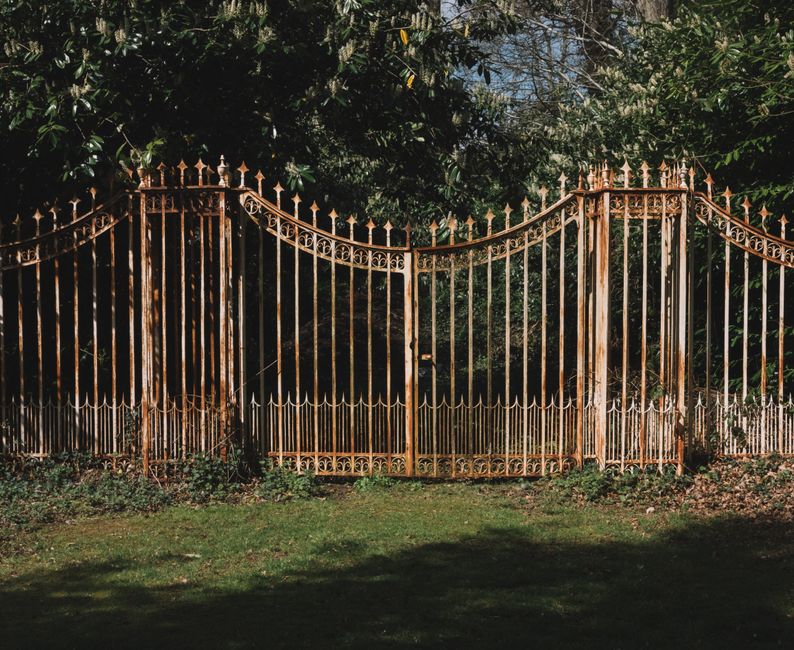
The most common cause is the post itself. Heavy gates pull on the hinge post all day, and a post set in shifting clay slowly leans toward the gate. The top of the gate drops with it, and the latch side begins to drag. Check the post with a level. If it is out of plumb, the post needs to be reset, not just the gate adjusted.
Worn or undersized hinges

Hinges carry the full weight of the gate. Cheap hinges wear, loosen and stretch the holes they sit in. Lift the latch end a little and watch the hinge. Any movement means play, so grease it, tighten it or replace it. Heavy gates need hinges rated for the weight, with bearings or greased pins that turn freely.
A frame that is too light
A wide gate made of thin tube bends under its own weight, even with strong posts. The sag shows up in the middle of the top rail. Bracing, a diagonal brace or a heavier frame can fix it. Adding a wheel at the latch end helps a gate that is slightly too heavy, though it is a patch more than a cure.
Weak welds
Welds that were only tacked in places crack with time and let the frame twist. Look at the corners and at the joins between the pickets and the rails. A hairline crack, or rust bleeding from a joint, means a weld has opened. A welder can repair it, and it is best done before the gate shifts further.
Latch and strike alignment
A gate that sags a little can still work if the latch is adjusted. Moving the strike plate up or down brings it back into line. This is a fine short term fix, but it does not remove the cause, so keep an eye on the gap.
Heat and seasonal movement
Metal expands in Texas heat, and the ground moves with wet and dry spells. A gate that fits in the cool of the morning may rub on a hot afternoon. A little clearance at the latch and the bottom absorbs that movement.
Fixing it for good
Start with the post, then the hinges, then the frame. Work in that order, because a new hinge on a leaning post will not hold. A short visit from an installer who sights the gate and tests the post saves time and repeat visits.